 HorecaHire

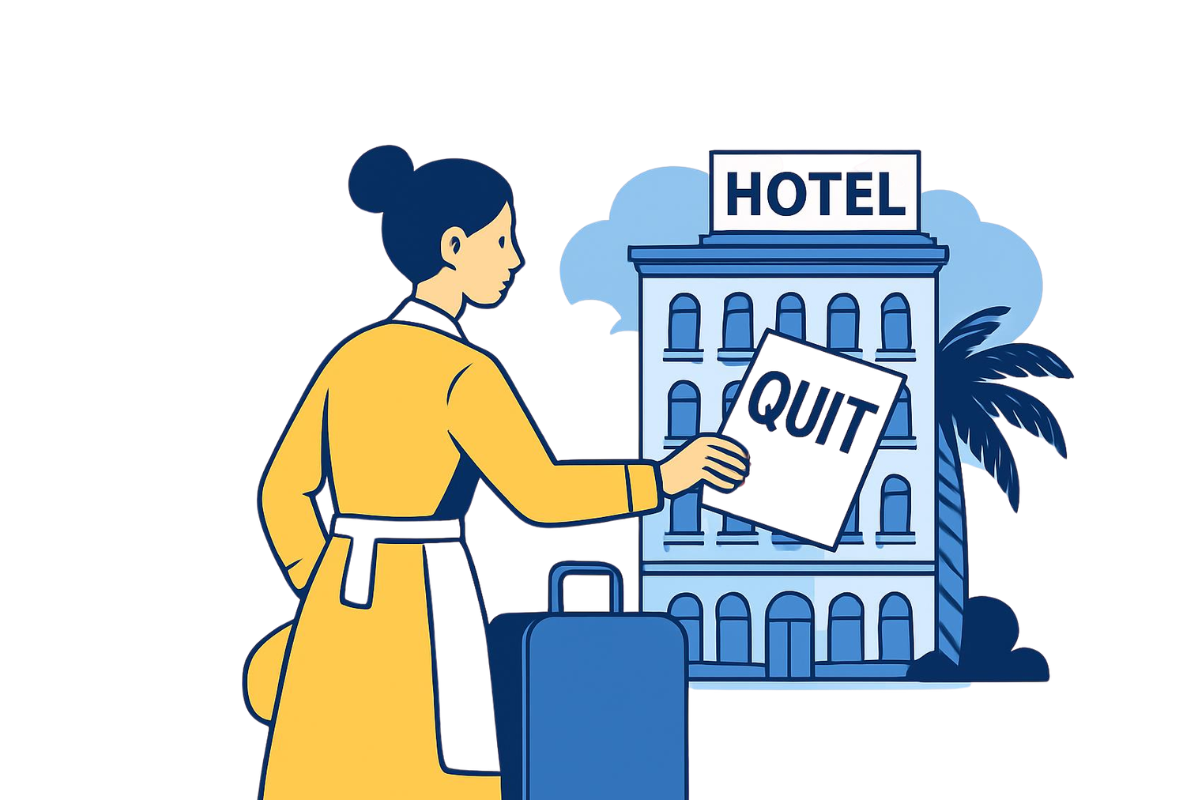
Hospitality’s Biggest Hidden Crisis
Hotel staffing challenges vary by location, property type and season, but retaining skilled employees is a consistent operational priority.
Pay, schedules, supervision, training and working conditions can all affect whether hospitality employees stay or leave.
So why are hotels struggling?
There is no single cause of turnover. Hotels should review their own staff feedback and operational data before choosing solutions.
From chefs and stewards to front-office employees, staffing gaps can affect guest experience and service continuity. Managers need practical ways to understand and address the reasons specific to their teams.
If you’re a hotel owner, HR manager, or part of the HORECA industry, this directly affects your:
- Revenue
- Service quality
- Customer experience
👉 Let’s break down what’s really happening—and how to fix it.
Questions to investigate about hotel staff retention
The problem isn’t hiring. It’s retention.
- Employees are quitting within 3–6 months
- Skilled workers are shifting industries
- Hotels are stuck in a constant hiring loop
Evidence note: This guide describes workplace issues to investigate, not a verified 2026 hotel-industry turnover rate. Employment conditions vary by city, hotel, shift and role. India’s PLFS 2023–24 earnings report supplies broad employment statistics, not role-specific hotel salary benchmarks.
- Hospitality attrition rate: 30%–60% annually
- Entry-level roles face highest turnover
- Demand for skilled chefs increased by 40%+
👉 This clearly shows:
Jobs are available—but they’re no longer attractive enough
🔍 Top Reasons Why Hotel Staff Are Quitting Jobs
1. 💰 Low Salary vs High Workload
This is still the #1 reason.
Most hospitality employees work:
- 10–14 hours daily
- Weekends and holidays
- Physically demanding roles
But salaries often don’t match the effort.
Compare verified terms, not unsourced national salary averages. For stewards, chefs and housekeepers, compare written monthly pay, service-charge arrangements, weekly rest, actual rostered hours, overtime policy, travel, accommodation, safety measures and promotion criteria. The original salary ranges were removed because equivalent, current role-level evidence was not available.
👉 Result: Employees switch to retail, delivery, or corporate jobs.
😓 2. Poor Work-Life Balance
Hospitality jobs often mean:
- No fixed schedule
- Late-night shifts
- Split shifts
In 2026, especially for Gen Z:
👉 Work-life balance is not optional—it’s expected.
Result: Employees leave for jobs with fixed hours.
🚫 3. Lack of Career Growth
Many employees feel stuck:
- No promotions
- No skill development
- No clear career path
👉 A steward doesn’t see how they become a manager.
So they leave.
🤖 4. Shift to Other Industries (AI & Tech Impact)
With the rise of:
- Gig economy
- Remote jobs
- Tech-enabled roles
Hospitality workers are moving to:
- E-commerce
- Customer support (WFH)
- Delivery platforms
👉 Better pay + less stress = easy decision
😤 5. Toxic Work Culture
This is one of the biggest hidden reasons:
- Harsh management
- Lack of respect
- No recognition
👉 Employees don’t leave jobs… they leave managers.
🏥 6. Health & Burnout Issues
Long hours + physical work = burnout
Common issues:
- Stress
- Fatigue
- Mental exhaustion
👉 Post-2020 workforce values health more than ever.
📱 7. Awareness & Better Opportunities
Today’s workforce is smarter:
- They compare salaries online
- Explore better job cultures
- Apply easily via platforms like LinkedIn
👉 They no longer tolerate poor conditions.
⚠️ Impact on Hotels & Businesses
Ignoring this issue can cost you heavily:
💸 Financial Loss
- Constant rehiring cost
- Training expenses
⏳ Operational Problems
- Staff shortages
- Slow service
⭐ Brand Damage
- Poor guest experience
- Negative reviews
👉 In simple terms:
High attrition = low profitability
✅ Solutions: How Hotels Can Stop Staff from Quitting
💰 1. Offer Competitive Salaries
- Benchmark with local market
- Even a 15–20% increase improves retention
- Provide benefits (meals, stay, incentives)
🕒 2. Improve Work-Life Balance
- Fixed shifts where possible
- Proper weekly offs
- Reduce overtime
📈 3. Create Clear Career Paths
Show employees:
👉 “Where they can be in 2–3 years”
- Promotions
- Internal growth
- Skill development
🎓 4. Invest in Training & Upskilling
- Teach digital tools
- Provide certifications
- Train for future roles
🤝 5. Build a Positive Work Culture
- Respect employees
- Reward performance
- Encourage feedback
🤖 6. Adapt to AI (Don’t Replace People—Upgrade Them)
- Train staff on new systems
- Make them feel secure
- Turn them into skilled operators
🧲 7. Use Smart Hiring Platforms
Instead of random hiring:
- Use targeted platforms like HorecaHire
- Hire verified candidates
- Focus on long-term fit
❌ Common Mistakes Hotels Must Avoid
- Hiring fast without screening
- Offering low salaries
- Ignoring employee feedback
- Overworking staff
- Not investing in training
👉 These directly increase attrition.
👨🍳 Tips for Job Seekers in Hospitality
If you’re working in hotels:
✅ Choose employers with growth opportunities
✅ Don’t accept underpaid roles
✅ Learn multiple skills
✅ Use specialized hiring platforms
❓ FAQs
Why is hotel staff quitting so fast in 2026?
Because of low salary, long hours, poor work-life balance, and better opportunities in other industries.
Which hotel jobs have the highest turnover?
Steward, housekeeping, and entry-level kitchen staff.
How can hotels reduce staff attrition?
By improving salary, work culture, career growth, and work-life balance.
Are hospitality jobs declining?
No. Demand is growing—but expectations have changed.
Is AI replacing hotel jobs?
Not completely. It’s shifting roles and requiring new skills.
A practical staff-retention audit for hotel managers
Before blaming individual employees, review patterns by department, manager and shift. Track voluntary exits, tenure at exit, missed breaks, overtime, schedule changes, pay accuracy, training completion and whether workers have a safe way to raise concerns. Ask departing employees consistent, voluntary questions and protect the confidentiality of responses. Compare patterns over time rather than assuming every hotel faces the same turnover rate.
To strengthen the hiring side of retention, read how to hire hotel staff with a structured process and how trust and skills gaps affect hotel teams. When roles need filling, employers can create a hospitality job listing.
Retention actions: recognition and fair opportunity
Recognition should be specific and supported by real examples of service or teamwork. Managers planning a transparent employee-recognition programme can use our nomination letter format and hospitality example. Retention discussions should also include fair access to training and advancement; see our guide to low-paid work and career growth for questions employees can ask when assessing workplace opportunities.
Turn retention discussions into employee development plans
After identifying training gaps and exit risks, managers can support employees with specific, achievable development goals. Use the hospitality employee career development plan for a sample 30/60/90-day framework and practical departmental competency examples.
Four-week staff engagement improvement plan
Hotel managers reviewing the reasons employees leave can act on practical feedback without relying on one-off morale events. Our 14 hotel employee engagement ideas and 30-day plan cover rosters, shift handovers, training support and follow-through.
What employers can change to improve staff retention
Hotel staffing and retention pressures differ by destination, employer, department and season. Review the actual working conditions and confirm which vacancies are open before making broad claims about the industry.
👉 It’s short of jobs people actually want to stay in.
Today’s workforce expects:
- Fair pay
- Respect
- Growth
- Balance
Hotels that adapt will attract and retain talent.
Those that don’t will face continuous staffing problems.
🚀 Hire Faster or Get Hired in Hospitality — Instantly
Find verified hotel jobs, create a professional resume in minutes, or hire skilled staff faster with Horeca Hire.
⚡ No signup fees • Quick hiring • 100% free tools
30-day retention audit for hotel managers
Week 1: Record voluntary departures by department and tenure. Ask staff confidentially about roster predictability, supervision and pay accuracy. Week 2: Check missed breaks, overtime, workload and vacancy coverage. Week 3: Implement two measurable improvements, such as earlier roster publication and structured coaching. Week 4: Measure missed breaks, staff feedback and resignations again. This is a practical example, not a claim about industry-wide research.
Related guides: hotel employee engagement ideas and staff uniform and safety policy.