 HorecaHire

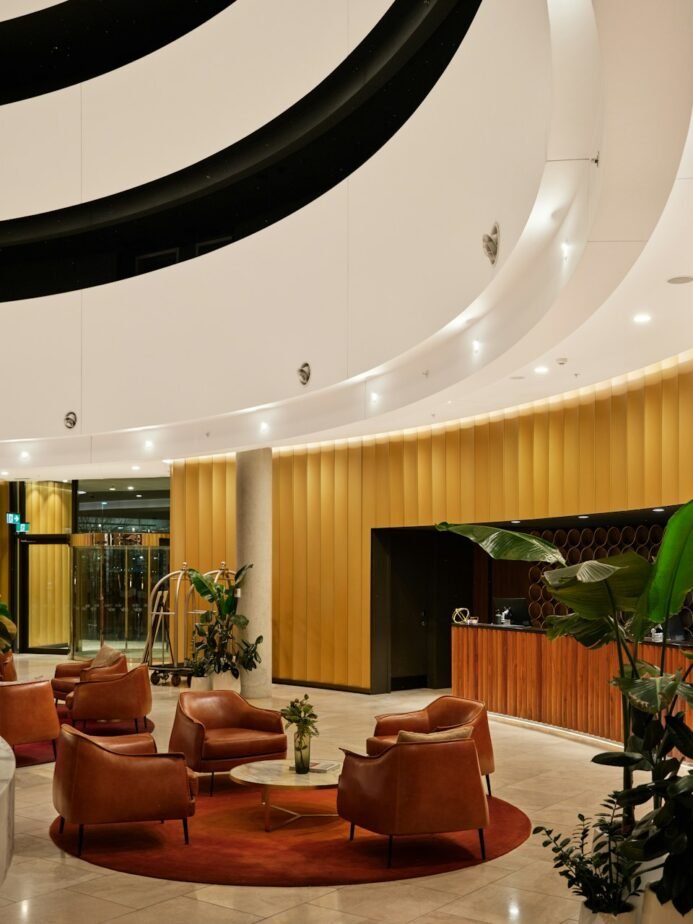
A hotel pre-arrival room assignment SOP tells reservations and front-office teams how to pre-block real guestrooms while respecting booked room category, housekeeping readiness and verified accessibility requests. Assigning a room number in the PMS is not the same as confirming a room is clean, safe and available for check-in. This exclusive HoReCaHire room allocation worksheet includes an arrival planning routine, a useful exception register and a worked example separating room-type inventory from physical room readiness.

hotel pre-arrival room assignment SOP: quick operational answer
The reservation category defines the booked product; an assigned physical room must separately pass true housekeeping and engineering readiness checks before a guest receives keys. Match full-stay dates and essential accessibility features, and document actual approved exceptions.
Room allocation vs room blocking vs room release
| Term | Meaning | Operational boundary |
|---|---|---|
| Reserved room category | Product legitimately sold to a guest | Not necessarily one guaranteed room number |
| Pre-assigned / pre-blocked room | Specific room tentatively or firmly associated with booking under actual PMS rules | Does not replace housekeeping inspection |
| Room on hold / OOO | Room has a permitted inventory or operational restriction | Not generally assignable without authorization |
| Room ready for guest | Actual clean/inspected and approved status | Cannot be inferred from yesterday’s status |
| Do-not-move lock | Configured constraint to preserve a specific assignment | Must reflect genuine approval and other hotel needs |
Oracle OPERA Cloud’s room assignment guidance describes matching reservation/profile room features, scheduled room moves and optional Do Not Move locks. Its batch room assignment controls include stay length, room features and exact-fit logic. These are configuration-dependent PMS features, not a guarantee that every hotel runs OPERA or should override a legitimate booked category.
Ten-step hotel pre-arrival room assignment procedure
- Retrieve the correct expected-arrival report and actual business date, including stays that cross midnight.
- Confirm genuine room categories, stay lengths, confirmed requests and any authorized locked assignments.
- Check actual out-of-order, out-of-service, engineering and housekeeping availability for all nights.
- Prioritize essential verified accessibility needs and genuine contractual room requirements above optional preferences.
- Coordinate adjacent/connecting room requests only where real physical rooms and accepted terms support them.
- Choose a valid matching room that will be genuinely ready, using the property’s PMS authorized assignment process.
- Note VIP or loyalty preferences carefully without promising special treatment unsupported by a confirmed booking.
- Reconfirm arrival estimates and communicate honestly when a room number or early readiness cannot be guaranteed.
- Arrange qualified room inspection and Front Office release; do not check guests into an unsafe or unclean room.
- Document approved changes and next-shift owners in the secure allocation register.
Copy-ready hotel room allocation sheet
| Column | Evidence |
|---|---|
| Arrival date and room booking ID | [Correct PMS identifier; limited access] |
| Reserved category and number of nights | [Original valid booking entitlement] |
| Guest-stated essential room requirements | [Relevant functional feature, not unnecessary medical diagnosis] |
| Optional requests | [Floor/view/connecting, clearly subject to confirmation] |
| Room number proposed | [Valid inventory and room status for full stay] |
| Housekeeping/Engineering release | [Actual inspection and technical status] |
| Assignment/lock authority | [Named authorized employee and reason] |
| Arrival estimate and handover | [Real communicated window] |
| Changed allocation/exception | [What changed, why and guest impact] |
| Final front desk validation | [Status before guest key and check-in] |
Illustrative allocation problem: 12 arrivals, 10 ready rooms
Suppose a fictional hotel expects 12 confirmed standard-room arrivals. It currently has 10 inspected, allocable standard rooms and another three standard rooms due to depart later. Those three departures are not immediately ready or guaranteed to become available on time. An initial readiness gap for the current arrivals is 12 − 10 = 2, assuming all 12 need to check in now and no alternative matching rooms are actually ready. The hotel should review genuine arrival times, cleaning capacity and commercial alternatives without promising guestroom readiness that has not been verified.
| Allocation status | Illustrative count | Interpretation |
|---|---|---|
| Arriving standard reservations | 12 | Confirmed demand for current check-in window |
| Inspected allocable standard rooms | 10 | Physically ready under correct category |
| Still occupied, due-out rooms | 3 | Possible later inventory, not ready now |
| Immediate ready-room shortage | 2 | Requires actual authorized plan |
| Confirmed overbooking? | Not determinable | Depends on true total sellable stay-date inventory and departures |
Accessibility needs are not interchangeable with VIP preferences
A request for a verified accessible entrance, roll-in shower or other functional feature may determine whether a room actually meets a guest’s needs. A preference for high floor, sea view or certain room number is a different kind of request. Use the property’s actual feature inventory and respectful guest communication; do not substitute a noncompliant room because it is cosmetically similar or ask employees to infer medical conditions from a booking note.
Room assignment exception scenarios
| Problem | Correct escalation |
|---|---|
| Booked accessible feature unavailable | Duty Manager and competent team find genuine equivalent/authorized remedy |
| Connecting rooms impossible | Explain actual availability and accepted booking conditions |
| Room fails final inspection | Block check-in; request verified alternative or revised safe readiness |
| VIP arrives early | Check actual inspected stock; do not displace other confirmed guest unfairly |
| Guest extends stay | Recheck entire date-range availability before promising no room move |
| Room assigned to conflicting reservation | Inspect PMS conflict, preserve booking integrity and escalate |
A practical 15-minute arrival planning huddle
| Minutes | Who checks what |
|---|---|
| 0–4 | Reservations: valid categories, dates, guest needs, special guarantees |
| 4–8 | Housekeeping: truly inspected rooms and real cleaning estimate |
| 8–11 | Engineering: OOO conditions, repaired rooms awaiting release |
| 11–13 | Duty Manager: room shortages and guest-safe contingency |
| 13–15 | Front Office: assignment changes, secure guest messaging and owners |
When to use a PMS assignment lock
A Do Not Move lock may help protect an approved room assignment for an essential feature or other genuine obligation. It should not be used casually on every VIP arrival, because locking inventory too early can reduce flexibility and create avoidable gaps. The authorized manager must understand what the property configuration does, how it affects room moves, and how to remove a lock with appropriate approval.
Room assignment performance metrics
| KPI | Numerator/denominator | Interpretation |
|---|---|---|
| Ready rooms at expected arrival | Actually releasable arrivals ÷ relevant due arrivals | Depends on time window |
| Assignment mismatch incidents | Verified reserved/allocated product discrepancies | Should have documented root causes |
| Guest relocation events | Actual justified moves or walk situations | Needs guest-impact review |
| Failed feature-match cases | Bookings with essential feature not met | Not an acceptable efficiency shortcut |
| Reassigned rooms after pre-blocking | Genuine changed reservations | Distinguish routine changes from harm |
Common hotel room-blocking mistakes
- Assigning a room based on yesterday’s inspected status.
- Treating a due-out room as immediately vacant at the advertised checkout time.
- Overlooking a guest’s genuine accessibility request in favor of a VIP room-view preference.
- Promising adjacent rooms without verifying building layout and room inventory.
- Locking too many rooms without reviewing actual demand.
- Assigning only the first night without checking a multi-night room conflict.
- Circulating a list of sensitive guest names and requests in public group chats.
- Calling room assignment completed before the guest’s folio, identity and key controls are verified.
Front desk training scenario
A guest booked a particular room category for two nights and asks for a quiet accessible bathroom. The room shown as available for the first night has a conflicting reservation the next night; another physical room lacks the required bathroom feature. A good receptionist checks the true multi-night product inventory and verified features, explains the available alternatives with Duty Manager support and doesn’t silently assign an unsuitable room to meet a quota.
Related HoReCaHire front-office resources
Review Front Office Executive duties, Duty Manager decisions, Housekeeping Supervisor coordination, Guest Relations Executive service, guest communication skills and hotel front-office recruitment.
Frequently asked questions
Does pre-blocking guarantee the guest’s room number? Only under the actual accepted booking terms and valid hotel process. Can housekeeping release a room merely because the guest has arrived? No; genuine room readiness matters. Does a VIP always take priority over accessibility? Essential verified access needs should not be displaced by arbitrary preference. Is an assigned room automatically counted as occupied? No, room assignment and actual occupancy are different events.
Sources: Oracle Hospitality OPERA Cloud room assignment and batch allocation documentation. All room counts, scenarios and registers are original HoReCaHire training examples; consult real PMS and guest-safety policies before applying operationally.