 HorecaHire

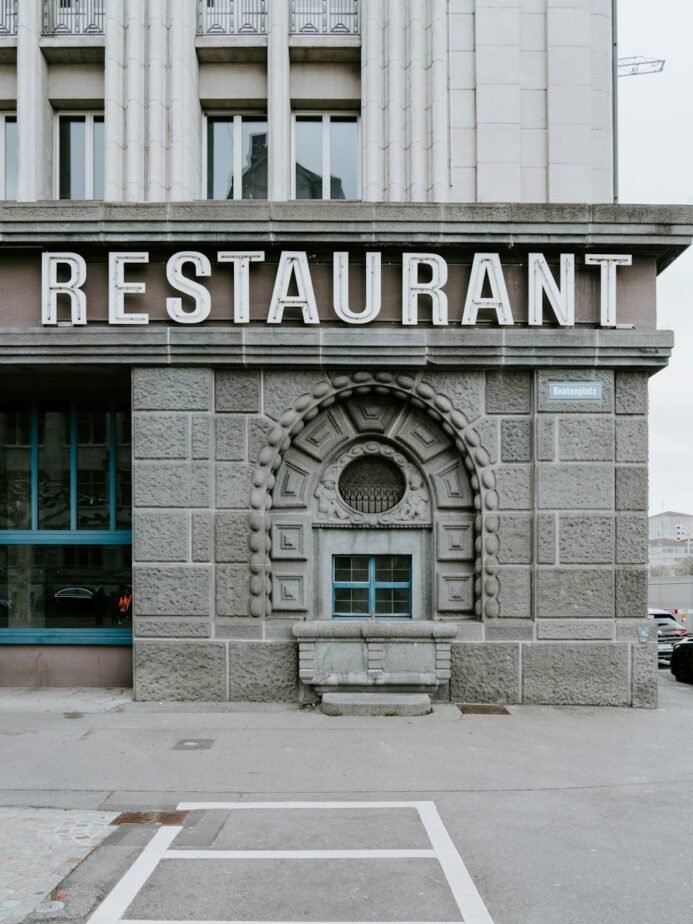
A banquet pre-event setup checklist confirms that a hotel’s banquet function is actually prepared to deliver the approved event: the correct room, safe furniture layout, table settings, food and beverage plan, audiovisual equipment, guest flow and departmental contacts. It differs from a Banquet Event Order (BEO), which records what was agreed, and from a post-event reconciliation, which examines what happened afterward. This original HoReCaHire banquet setup SOP and sign-off form provides a practical process for a Banquet Captain, Banquet Manager and event team.
BEO versus pre-event setup versus event closeout
| Document | Purpose | Owner |
|---|---|---|
| Banquet Event Order | Communicate approved event details, timing, counts and terms | Sales/event management with operations |
| Layout drawing | Show actual seating, stage, service and approved safety routes | Banquets and qualified facilities team |
| Pre-event setup checklist | Verify that the physical room and staff match the approved plan | Banquet Captain/Manager |
| Service running sheet | Coordinate real courses, speakers and on-site changes | Event captain and organizer |
| Post-event reconciliation | Check actual services, charges and exception records | Banquets, sales and finance |
Industry event management guidance, including SetupMyHotel’s banquet function-sheet SOP, emphasizes circulating revised BEOs and verifying event room, guest count, setup, menu and timing. A BEO is not permission to exceed legally approved capacity or promise a technical service that has not been tested.
Twelve-step banquet setup SOP
- 1. Confirm final BEO: identify correct event, authorized version, approved guest count and times.
- 2. Inspect room access: check actual venue availability and previous-event clearance.
- 3. Verify safe layout: confirm furniture, staging, accessible routes and exit conditions against approved drawings.
- 4. Inspect linen and tableware: match accepted counts, clean condition and genuine service standard.
- 5. Test AV: assign qualified technicians to microphones, projection, power and approved connections.
- 6. Check lighting and climate: arrange appropriate facility controls with engineering.
- 7. Verify catering plan: match chef, menu, dietary escalations, food service timing and confirmed quantities.
- 8. Brief service staff: designate stations, safe movement routes and named supervisors.
- 9. Confirm guest arrival: registration, signage, accessibility, parking and any reserved seating.
- 10. Review billing boundaries: make staff aware of the actual approved inclusions and change authority.
- 11. Walk through with stakeholders: resolve or formally escalate outstanding concerns; do not silently tick incomplete items.
- 12. Sign off: record the genuine room-ready decision, outstanding qualifications and responsible managers.
Copy-ready banquet pre-event readiness register
| Field | Check or entry |
|---|---|
| Function ID / BEO revision | [Current authorized signed reference] |
| Event/venue/date | [Actual hall and start/end window] |
| Contracted and expected covers | [Both values separately, if relevant] |
| Approved drawing and room occupancy | [Real version and safety review] |
| Furniture count and arrangement | [Actual tables, chairs and linen] |
| Guest flow and accessibility | [Unobstructed approved routes and requested support] |
| Kitchen/menu and allergy contact | [Confirmed food and beverage readiness] |
| AV, power and equipment | [Qualified technical test and owner] |
| Service team and briefing | [Staff positions and approved roster] |
| Organizer/site contact | [Authorized contact and planned walkthrough] |
| Open defects and alternatives | [Risk/owner rather than false clearance] |
| Final manager signature/time | [Actual inspection and permission to open] |
Banquet setup department handover matrix
| Department | Critical confirmation | No-go concern |
|---|---|---|
| Banquet service | Ready stations, correct place settings and trained coverage | Blocked safe circulation |
| Kitchen and F&B | Approved menu and real production/dietary controls | Unknown allergen or unsafe handling |
| Engineering/AV | Tested equipment and permitted power/access | Unsafe wiring or unverified equipment |
| Sales/events | Current BEO, approved client changes and guest count | Conflicting revisions |
| Housekeeping/stewarding | Clean venue, washrooms and service equipment | Unsafe spills and unusable access |
| Security/Front Office | Actual arrivals, crowd flow and emergency contacts | Unsafe guest routes or missing safety plan |
Illustrative function setup counting exercise
A fictional corporate dinner expects 80 seated attendees. The approved layout specifies 10 tables with eight permitted places each: 10 × 8 = 80 planned seats. If one table is unavailable due to a genuine safe-layout restriction, only 9 × 8 = 72 planned seats remain in that configuration, a shortage of eight. Do not squeeze chairs into exits or guess that a larger hall is available; escalate for an approved layout or attendance revision. The calculation does not establish a real venue’s safe occupancy.
How to check a room 60 minutes before the event
| Illustrative checkpoint | Owner | Evidence |
|---|---|---|
| Setup design matches correct drawing | Banquet Captain | Physical and approved revision check |
| AV, lighting and climate tested | Qualified technical lead | Actual test results and faults |
| Serviceware, linen and stations ready | Stewarding/banquets | Verified condition and quantities |
| Menu/dietary briefing completed | Chef and service lead | Confirmed contact and safe process |
| Guest flow and safety reviewed | Security/facilities | Actual accessible routes and no obstruction |
| Organizer informed of unresolved issues | Event Manager | Genuine communication and approved decision |
The 60-minute checkpoint is a scheduling example, not a mandated period. Complex conferences and weddings often need much earlier technical and catering checks; the actual plan should reflect the event scope and safe readiness, not a fixed countdown.
Last-minute client change procedure
- Listen and establish the exact request: extra covers, new menu, altered stage or a later ending.
- Check contract and the currently approved BEO before promising any change.
- Ask competent banquet, kitchen and technical leads whether it is feasible and safe.
- Verify price, guarantee and relevant permissions with authorized sales/finance staff.
- Document the approved revision, who accepted it and which teams were updated.
- If the request cannot be met safely or contractually, explain genuine alternatives without blame.
Banquet AV and electrical equipment: qualified checks
Microphones, displays, projectors, power distribution and temporary staging may involve specialist electrical or rigging work. Banquet servers should report faults and keep guests away from hazards, not bypass protective devices or manipulate unfamiliar wiring. An AV device powering on during a quick test does not by itself certify every safety and venue requirement.
Guest accessibility and dietary requests
The team should verify that actual accessible routes, seating and washrooms remain usable after the physical setup. Guest dietary concerns must reach trained kitchen staff with the exact approved BEO and service instructions; a buffet label alone cannot guarantee absence of allergens. Keep guest information restricted to what the event team needs. Do not put sensitive personal requests on public seat lists.
Banquet Captain practical quality assessment
| Competency | Points | Exercise |
|---|---|---|
| BEO-to-room accuracy | 30 | Compare a fictional revision to physical room plan |
| Safety and accessibility judgment | 25 | Identify blocked route or technical hazard |
| F&B and dietary coordination | 20 | Resolve a missing special meal |
| Client change control | 15 | Handle requested extra seating |
| Handover and sign-off accuracy | 10 | Complete outstanding issue form |
Five common pre-event mistakes
- Setting up from an outdated BEO version.
- Treating an additional table as safe merely because chairs can physically fit.
- Claiming AV is ready before an actual qualified test.
- Forgetting meal guarantees, genuine dietary requirements or outlet production timing.
- Closing the checklist while electrical, food safety or access concerns remain unresolved.
- Accepting unapproved additional charges or changing client terms in a service staff conversation.
Related HoReCaHire hotel and banquet guides
See Food & Beverage Director role, Restaurant Manager leadership, Duty Manager duties, Executive Chef operations and guest communication examples. Hotels can hire banquet operations staff.
FAQs
Is a BEO enough to open the banquet hall for guests?
No. Staff should verify the physical room, technical tests, operational readiness and approved access/safety conditions as appropriate.
Who signs a banquet setup checklist?
The hotel’s actual trained and authorized operational manager(s), with specialist clearances where required. A server should not certify technical safety.
Can a client request layout changes immediately before guests enter?
A request can be considered, but feasibility, safe occupancy, operational consequences and the hotel’s change/approval procedure control what can be accepted.
Sources: SetupMyHotel banquet BEO function-sheet guidance, linked above; event management principles from professional meeting planning literature. Checklists, timings and numeric scenarios are original HoReCaHire training material, not certification of an actual venue or event contract.