

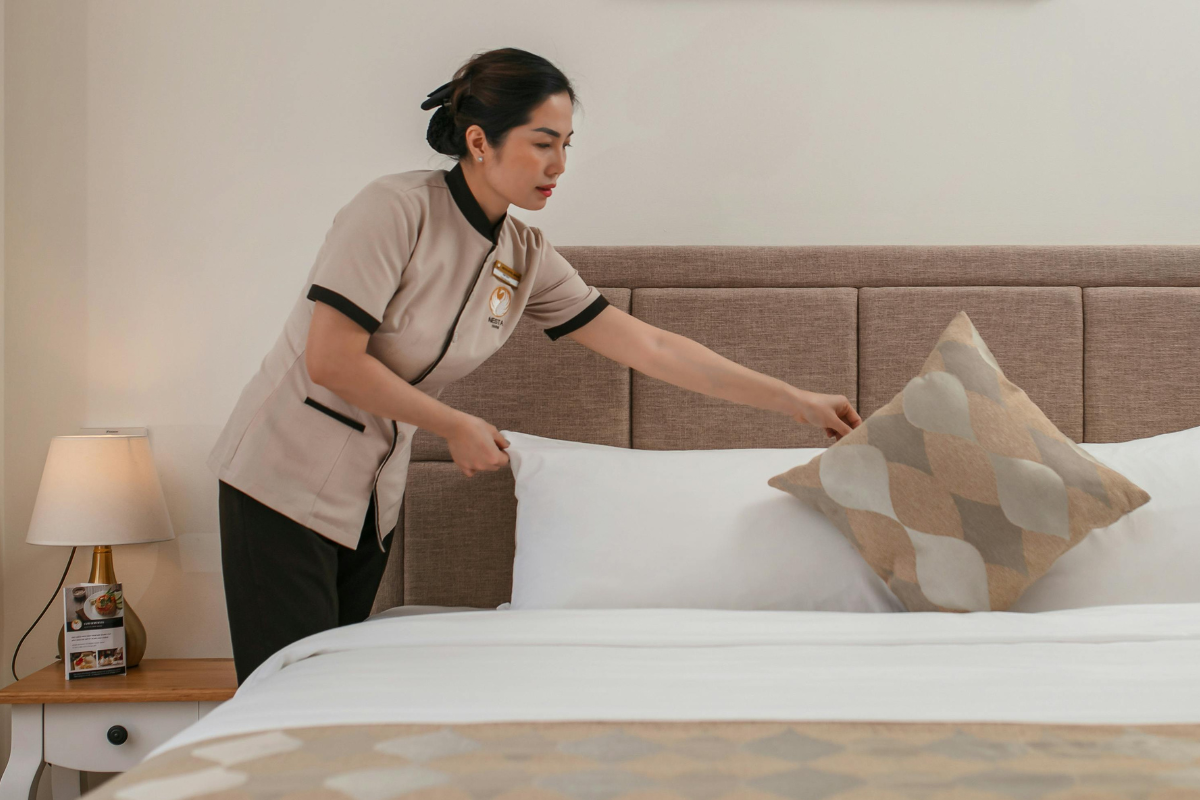
What Are the 7 Standards of Housekeeping? Complete Guide for Hotels and Hospitality
The 7 standards of housekeeping are cleanliness, orderliness, sanitation and hygiene, safety, maintenance, comfort and guest readiness, and consistency and quality control. These standards help hotels maintain clean rooms, safe public areas, fresh linen, organized spaces, and a better guest experience.
Housekeeping is one of the most important departments in any hotel, resort, guest house, serviced apartment, hospital, office, or hospitality business. A clean and well-maintained property creates a positive first impression, improves guest satisfaction, protects health and safety, and supports smooth daily operations.
In hotels, housekeeping is not only about cleaning rooms. It also includes hygiene, organization, maintenance reporting, linen care, guest comfort, safety, and quality control. To maintain professional service, every housekeeping team should follow clear standards.
Why Housekeeping Standards Are Important
Housekeeping standards help hotels and hospitality businesses maintain a professional environment. Guests may forgive small delays, but they rarely ignore dirty rooms, stained linen, bad smell, dusty surfaces, unsafe bathrooms, or poorly maintained facilities.
Strong housekeeping standards help with:
- Guest satisfaction
- Better online reviews
- Hygiene and infection control
- Staff productivity
- Brand reputation
- Safety of guests and employees
- Faster room turnaround
- Better coordination with front office and maintenance
- Reduced complaints and operational errors
For hotel job seekers, understanding housekeeping standards is also important because employers look for candidates who know cleanliness, hygiene, attention to detail, and guest room preparation.
The 7 Standards of Housekeeping
1. Cleanliness
Cleanliness is the most basic and important housekeeping standard. It means removing dust, dirt, stains, waste, fingerprints, hair, food particles, and unwanted marks from guest rooms and public areas.
In hotels, cleanliness applies to every area, including:
- Guest rooms
- Bathrooms
- Beds and linen
- Floors and carpets
- Furniture
- Windows and mirrors
- Corridors
- Lobby areas
- Restaurants
- Banquet halls
- Elevators
- Staff areas
A clean room gives guests confidence that the hotel is professional and well-managed.
Examples of cleanliness standards
A housekeeping team should ensure that:
- Bedsheets are clean and properly tucked.
- Towels are fresh and stain-free.
- Bathroom floors are clean and dry.
- Dust is removed from furniture, switches, lamps, tables, and corners.
- Mirrors and glass surfaces are spotless.
- Trash bins are emptied and cleaned.
- Room odor is fresh and pleasant.
- No hair, insects, stains, or dust are visible.
Why cleanliness matters
Cleanliness directly affects guest experience. Even one dirty towel, dusty table, or stained bedsheet can lead to complaints, bad reviews, or loss of repeat business.
2. Orderliness
Orderliness means keeping everything arranged, organized, and placed correctly. A room may be clean, but if items are scattered or placed incorrectly, it does not look professional.
In hotel housekeeping, orderliness creates a neat, comfortable, and welcoming environment for guests.
Examples of orderliness standards
Housekeeping staff should ensure that:
- Furniture is placed properly.
- Amenities are arranged neatly.
- Towels are folded and placed in the correct position.
- Toiletries are stocked properly.
- Curtains are arranged neatly.
- Hangers are placed in the wardrobe.
- Remote controls, menus, stationery, and guest directories are positioned correctly.
- Housekeeping carts are organized.
- Linen rooms and storage areas are arranged properly.
Why orderliness matters
Orderliness saves time, reduces confusion, improves room appearance, and helps guests find what they need easily. It also helps housekeeping staff work faster and more efficiently.
3. Sanitation and Hygiene
Sanitation and hygiene go beyond normal cleaning. They focus on removing germs, bacteria, viruses, bad odors, and health risks from rooms, bathrooms, kitchens, public areas, and high-touch surfaces.
This standard is especially important in hotels because many different guests use the same rooms and facilities.
Common high-touch areas in hotels
Housekeeping staff should pay special attention to:
- Door handles
- Light switches
- TV remotes
- Telephone handsets
- Bathroom taps
- Toilet flush buttons
- Lift buttons
- Table surfaces
- Chair handles
- Wardrobe handles
- Safe lockers
- AC controls
Examples of sanitation and hygiene standards
A housekeeping team should ensure that:
- Bathrooms are disinfected properly.
- Toilets, washbasins, taps, and showers are sanitized.
- High-touch surfaces are cleaned regularly.
- Cleaning chemicals are used correctly.
- Dirty linen is handled separately from clean linen.
- Gloves and safety equipment are used when required.
- Waste is collected and disposed of properly.
- Cleaning cloths are not mixed between bathroom and room areas.
Why sanitation matters
Good sanitation protects guests and staff from illness, infection, bad odor, and contamination. It also shows that the hotel takes health and safety seriously.
4. Safety
Safety is a key housekeeping standard because poor housekeeping can cause accidents. Wet floors, loose wires, broken furniture, blocked exits, sharp objects, or chemical misuse can create serious risks.
Housekeeping staff must always clean and maintain areas in a way that protects guests, employees, and property.
Examples of safety standards
Housekeeping teams should ensure that:
- Wet floors are dried quickly or marked with warning signs.
- Electrical switches and appliances are checked for visible damage.
- Broken furniture is reported immediately.
- Sharp objects and broken glass are handled carefully.
- Cleaning chemicals are stored safely.
- Fire exits and corridors are not blocked.
- Housekeeping carts do not obstruct guest movement.
- Personal protective equipment is used when needed.
- Lost and found items are handled according to hotel policy.
Why safety matters
A safe hotel prevents accidents, injuries, guest complaints, legal issues, and property damage. Housekeeping staff are often the first to notice safety problems, so their role is very important.
5. Maintenance
Maintenance means keeping rooms, equipment, furniture, fixtures, and hotel areas in good working condition. Housekeeping staff may not repair everything themselves, but they are responsible for identifying and reporting issues.
Since room attendants enter guest rooms daily, they often notice maintenance problems before other departments.
Common maintenance issues found by housekeeping
Housekeeping staff should report:
- Leaking taps
- Blocked drains
- Broken lights
- Damaged furniture
- Faulty air conditioning
- Non-working TV or remote
- Loose door locks
- Broken mirrors
- Stained walls
- Torn curtains
- Bad smell from drains
- Pest issues
- Damaged mattresses
- Faulty bathroom fittings
Examples of maintenance standards
A good housekeeping team should ensure that:
- Rooms are inspected before being released to guests.
- Maintenance issues are reported quickly.
- Out-of-order rooms are not given to guests.
- Equipment is cleaned and stored properly.
- Housekeeping machines and tools are maintained.
- Follow-up is done after maintenance work is completed.
Why maintenance matters
A clean room is not enough if the AC does not work, the bathroom leaks, or the door lock is damaged. Good maintenance improves guest comfort, safety, and hotel reputation.
6. Comfort and Guest Readiness
Comfort and guest readiness mean preparing the room in a way that makes the guest feel welcome, relaxed, and satisfied. The room should not only be clean but also ready for immediate use.
This standard focuses on guest experience.
Examples of comfort and guest readiness standards
Before releasing a room, housekeeping should check that:
- The bed is properly made.
- Linen and towels are fresh.
- Pillows are arranged correctly.
- Room temperature is comfortable.
- Amenities are fully stocked.
- Toiletries are available.
- Drinking water is placed if provided by the hotel.
- Lighting is working.
- Curtains are neat.
- Bathroom is clean, dry, and odor-free.
- The room smells fresh.
- Guest supplies are complete.
- No personal items from previous guests remain.
Why guest readiness matters
Guests expect the room to be ready when they arrive. If something is missing, dirty, or not working, it creates frustration. A guest-ready room improves satisfaction and reduces complaints.
7. Consistency and Quality Control
Consistency means maintaining the same housekeeping quality every day, in every room, for every guest. Quality control means checking work to ensure standards are followed properly.
A hotel cannot depend on random cleaning quality. It needs systems, checklists, inspections, training, and supervision.
Examples of consistency and quality control standards
Hotels can maintain consistency by using:
- Room cleaning checklists
- Bathroom cleaning checklists
- Public area cleaning schedules
- Supervisor inspections
- Linen quality checks
- Lost and found procedures
- Cleaning chemical guidelines
- Room status coordination with front office
- Staff training
- Standard operating procedures
- Guest feedback review
Why consistency matters
Guests expect the same quality every time they visit. If one room is excellent and another room is poorly cleaned, the hotel’s reputation suffers. Consistency builds trust and improves guest loyalty.
Housekeeping Standards by Area
Guest Room Standards
A guest room should be clean, organized, fresh, safe, and ready for use. Important room standards include clean linen, dust-free furniture, working lights, proper amenities, fresh smell, clean floors, and no maintenance defects.
Bathroom Standards
Bathrooms must be cleaned and sanitized carefully. Toilets, washbasins, taps, showers, mirrors, floors, drains, and walls should be spotless, dry, odor-free, and hygienic.
Public Area Standards
Public areas such as lobbies, corridors, elevators, reception areas, restaurants, and restrooms should be cleaned regularly because they create the first impression of the property.
Linen and Laundry Standards
Linen should be clean, fresh, stain-free, properly folded, and stored hygienically. Damaged, torn, or heavily stained linen should not be used for guests.
Housekeeping Equipment Standards
Cleaning machines, vacuum cleaners, mops, buckets, carts, brushes, and chemicals should be clean, safe, organized, and properly stored after use.
Housekeeping Checklist for Hotels
A practical housekeeping checklist helps staff follow standards every day.
Room Cleaning Checklist
- Open curtains and check room condition.
- Remove used linen and towels.
- Empty dustbins.
- Dust furniture, switches, lamps, tables, and surfaces.
- Clean mirrors and glass.
- Make the bed properly.
- Clean bathroom fixtures.
- Sanitize high-touch areas.
- Refill amenities and toiletries.
- Vacuum or mop the floor.
- Check lights, AC, TV, phone, and appliances.
- Report maintenance issues.
- Spray room freshener if required.
- Final inspection before room release.
Bathroom Cleaning Checklist
- Clean and sanitize toilet.
- Clean washbasin and counter.
- Clean taps, shower, and fittings.
- Wipe mirror and glass.
- Remove hair from floor and drain area.
- Replace towels.
- Refill toiletries.
- Dry the floor.
- Check odor and ventilation.
- Ensure bathroom is spotless and guest-ready.
Skills Required for Good Housekeeping
A good housekeeping professional should have both practical skills and soft skills.
Important housekeeping skills include:
- Attention to detail
- Cleanliness and hygiene awareness
- Time management
- Discipline
- Physical stamina
- Teamwork
- Guest service attitude
- Knowledge of cleaning chemicals
- Safety awareness
- Organization
- Honesty and responsibility
- Ability to follow checklists and standards
Common Housekeeping Mistakes to Avoid
Housekeeping teams should avoid these common mistakes:
- Missing dust in corners or hidden areas
- Using dirty cleaning cloths
- Mixing bathroom and room cleaning cloths
- Forgetting to sanitize high-touch surfaces
- Leaving hair in bathrooms or beds
- Not checking under the bed
- Ignoring bad odor
- Releasing rooms without inspection
- Forgetting to refill amenities
- Not reporting maintenance issues
- Using damaged or stained linen
- Blocking corridors with housekeeping carts
- Improper chemical storage
Avoiding these mistakes improves guest satisfaction and reduces complaints.
FAQs About the 7 Standards of Housekeeping
What are the 7 standards of housekeeping?
Why are housekeeping standards important in hotels?
What is the most important standard of housekeeping?
What is housekeeping in a hotel?
What is the difference between cleaning and housekeeping?
Conclusion
The 7 standards of housekeeping are cleanliness, orderliness, sanitation and hygiene, safety, maintenance, comfort and guest readiness, and consistency and quality control. These standards help hotels maintain clean rooms, safe public areas, fresh linen, organized spaces, and a better guest experience.
In the hospitality industry, housekeeping is not just a back-end department. It directly affects guest satisfaction, online reviews, repeat business, and brand reputation. A strong housekeeping team can make a hotel look professional, welcoming, and trustworthy.
If you are looking for verified housekeeping jobs, hotel jobs, or hospitality career opportunities, Horeca Hire helps connect hospitality professionals with genuine employers across hotels, restaurants, resorts, cafes, cloud kitchens, catering companies, and other hospitality businesses.
Your Next Big Hospitality Opportunity Starts Here.
Looking for verified housekeeping jobs, hotel jobs or exciting hospitality career opportunities? Horeca Hire connects hospitality professionals with genuine employers across hotels, restaurants, resorts, cafes, cloud kitchens, catering companies and more.