 HorecaHire

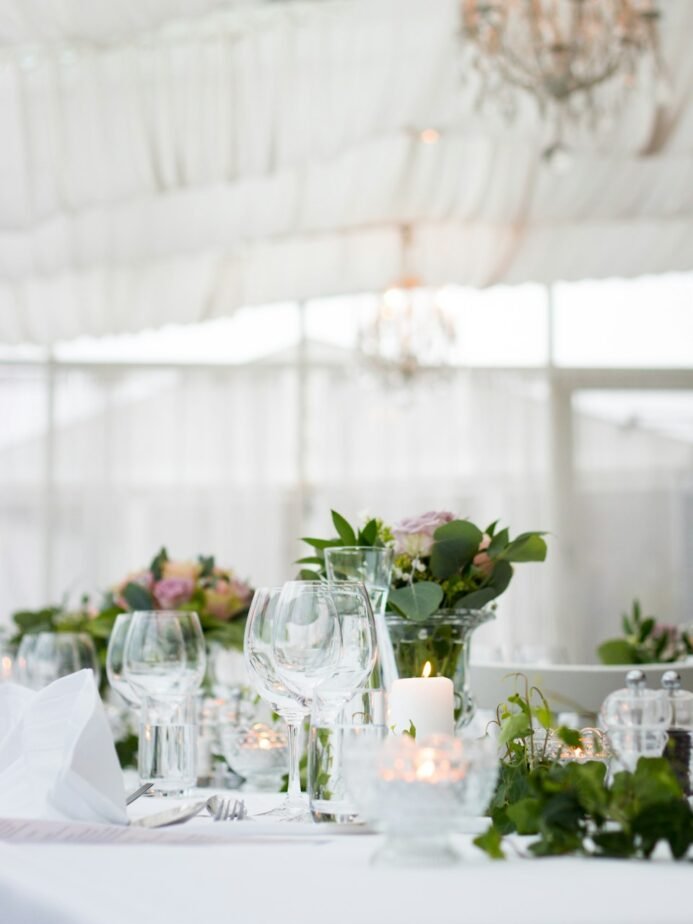
A Banquet Event Order (BEO) is the operating document that tells a hotel’s banquet, kitchen, service, housekeeping, engineering and accounts teams what has been agreed for an event. It commonly records the function date, venue, schedule, expected attendance, food and beverage requirements, room setup and approved changes. This original HoReCaHire BEO format is a practical starting point for event managers in Indian hotels and banquet halls. It is not a signed contract or a live customer booking.
What does BEO mean in hotel banquets?
BEO stands for Banquet Event Order. Oracle Hospitality describes BEO reports as operational documents containing functions, food, beverage and setup line items so delivery teams can coordinate. Individual property processes differ, especially regarding what requires the client’s written approval. An event proposal, signed contract, latest approved BEO and final invoice may be separate documents; use your property’s controlled versions.
Banquet Event Order template: fields to copy
| Field | Example or instruction |
|---|---|
| BEO number / revision | [Event ID] / Revision [number] / Approved at [time] |
| Client and authorized contact | [Organisation or name, handled with approved access] |
| Event title / purpose | [Wedding reception / conference / training] |
| Property / function space | [Hotel / hall name and room] |
| Function date | [DD Month YYYY] |
| Guest count | [Contracted count] / [latest guaranteed count] / [approval date] |
| Venue access / setup | [Setup start] / [doors open] / [clearance deadline] |
| Function timing | [Guest arrival] / [service] / [programme] / [end] |
| Seating / layout | [Theatre / classroom / rounds / approved floor plan] |
| Food / beverage | [Menu version, servings, dietary escalation, service format] |
| A/V, power and logistics | [Equipment, vendor, delivery and safety owner] |
| Charges / tax treatment | [Agreed items and approved rate sheet reference] |
| Contacts / approvals | [Event manager / banquet lead / kitchen lead / approved sign-off] |
Worked example: fictional hotel conference BEO
Training scenario only: “Morning Business Forum,” 120 attendees, hotel meeting hall, 10 November 2026. Guest arrival 09:00; working session 09:30–12:30; tea service 10:45; lunch 13:00. Classroom layout requires 120 usable seats, access aisles and approved audiovisual arrangements. All counts, menu selections, room allocations and prices are assumed for illustration; no real venue or client is represented.
| Function | Timing | Team preparation and handover |
|---|---|---|
| Room access / layout | 07:00–08:00 | Banquet lead confirms layout against approved floor plan |
| A/V testing | 08:00–08:30 | Technical lead confirms microphones and presentation setup |
| Guest arrival | 09:00 | Front office / host knows entrance and registration owner |
| Tea break | 10:45 | Kitchen and service check quantities and safe dietary handling |
| Lunch service | 13:00 | Banquet captain confirms actual headcount and menu version |
| Closure / reset | After event | Banquet, housekeeping and accounts close outstanding actions |
How to calculate event quantities without inventing a benchmark
For a hypothetical 120-person event, if the approved meal package includes one individual plated dessert per guaranteed guest, the base requirement is 120 plated desserts. Any spares or vendor contingency must be set by the chef and contract; do not silently add a “standard 10%” or alter the guaranteed count. Similarly, if the approved layout uses 10 seats per table, 120 ÷ 10 = 12 tables in a purely arithmetic example, before actual room dimensions, accessibility and safety requirements are considered.
BEO version control: what changes must be approved?
- Guest count, especially any guarantee deadline or added attendance.
- Food menu, service timing and dietary/allergen instructions.
- Event space, seating layout and access routes.
- Audio, power, technical staffing and vendor requirements.
- Any charge, deposit, cancellation or revised contractual condition.
- Assigned person responsible for communicating the updated version to kitchen, service and other teams.
Mark each revision with number, date, owner and approver. A late guest request is not automatically an authorized change to contracted services. If a material requirement changes, the event manager should obtain the correct approvals and redistribute the current BEO. Avoid operational teams working from printed superseded versions.
Practical banquet briefing checklist: 15 minutes
| Minutes | Discussion | Output |
|---|---|---|
| 0–3 | Guest count and approved latest BEO | One shared version confirmed |
| 3–6 | Menu and dietary concerns | Chef and service escalation clearly assigned |
| 6–9 | Room plan, equipment and safety | Banquet / technical owner confirms readiness |
| 9–12 | Key programme timings | Service windows and breaks understood |
| 12–15 | Contingencies and escalation | Duty manager / event lead available |
Common banquet event order mistakes
- Using one guest count for catering and another for the seating layout without explanation.
- Listing a special dietary request as guaranteed safe before kitchen confirmation.
- Changing food or equipment after event approval without documenting the revision.
- Sharing private event contact information in unprotected staff groups.
- Leaving beverage service, technical setup or closing responsibilities unassigned.
- Calling a BEO a substitute for the signed commercial agreement when property policy distinguishes them.
BEO versus event contract versus banquet invoice
| Document | Primary purpose |
|---|---|
| Event proposal | Describes proposed offer; not necessarily accepted |
| Contract / terms | Defines agreed commercial and legal responsibilities |
| Approved BEO | Communicates approved operational execution detail |
| Function checklist | Confirms tasks have been prepared or completed |
| Invoice | Records charges for actual billing subject to terms |
Interview questions for a Banquet Captain or Event Coordinator
A guest count changes on event morning—what do you do?
Check the approved guarantee and authority to change it, consult kitchen and banquet capacity, get required approvals and issue an updated version. Don’t promise unlimited additions.
How do you manage an allergy concern at a banquet?
Capture the information accurately, contact trained catering staff and do not claim an alternative is safe until it has been verified through the property’s process.
Who receives the final BEO?
Every department responsible for service or resources under the approved internal distribution list; share only the information needed by each team.
Related HoReCaHire resources
For a complete event handover, use the banquet pre-event setup checklist and banquet seating plan layouts; coordinate equipment with the banquet AV technician role and close the event with the post-event billing reconciliation checklist.
See the Food and Beverage Director guide, Restaurant Manager operations checklist, hotel onboarding guide and HoReCaHire employer job-posting page. Before releasing this article, replace links to any still-unpublished HoReCaHire guides with links to existing live content.
Editorial sources and limitations
Research basis: Oracle Hospitality, “About the Banquet Event Order (BEO) Report” and “Managing Hospitality Reports,” checked October 2026. The template, calculations, event scenario and checklist above are independently written HoReCaHire teaching examples—not a copy of Oracle’s sample reports, a legal contract, a food-safety certification or a promise of particular event outcomes.